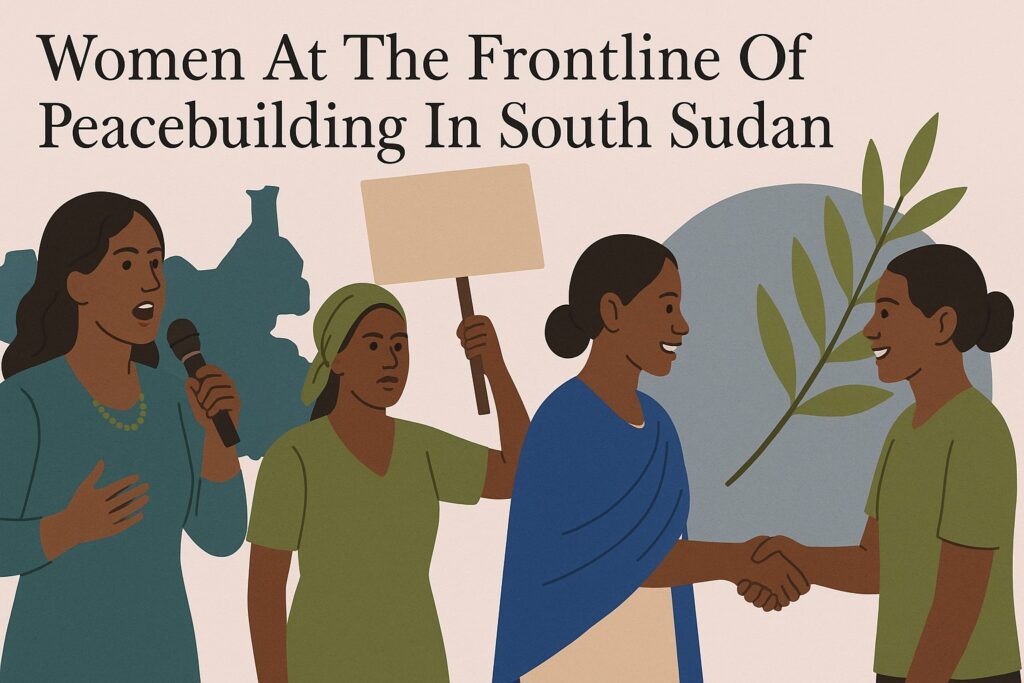
Women in South Sudan have long borne the brunt of conflict and instability, but they’ve also been key players in shaping peace. Despite facing countless hurdles, their resilience and determination make them crucial in peacebuilding arenas. Historically, women in South Sudan have taken on informal yet vital roles in negotiating peace efforts right within their communities, setting the stage for larger political negotiations.
Having women involved in peace processes isn’t just a token gesture – it’s pivotal. They’re often directly affected by conflict’s atrocities, making them natural advocates for peace and justice. Women’s participation brings unique perspectives on reconciliation and healing, prioritizing social cohesion. Their voices add depth to peace dialogues that might otherwise miss essential community needs.
There are remarkable women leading peace efforts around South Sudan. These include Nyachangkuoth Rambang Tai, a known peace activist, and Rita Lopidia, who works tirelessly advocating for women and children in conflict zones. These leaders demonstrate how women’s insights and compassion can change conflict narratives and lead to sustainable peace outcomes.
However, the journey is not without challenges. Cultural and social norms sometimes hinder women’s involvement in decision-making. Despite these roadblocks, the determination and courage displayed by women in the peace process inspire change. Programs supporting women’s empowerment and leadership development are vital to overcoming barriers.
Women’s work in peace processes is not only changing societal attitudes but also reshaping governance and leadership norms across the country. By standing on the frontlines of peacebuilding, they’ve shown that peace isn’t just the absence of conflict, but the presence of justice and equality.
RACBO’s Multi-Faceted Approach
RACBO, an organization dedicated to promoting long-lasting peace and development in South Sudan, tackles a broad range of initiatives with a comprehensive approach. They stand out for their focus on nurturing essential life skills and promoting climate-smart agriculture, recognizing that these areas directly contribute to the country’s resilience and recovery.
Empowering women is at the heart of RACBO’s strategies. By focusing on life skills and leadership development, they ensure women are not just participants but leaders in peacebuilding. This empowerment equips women to bring about transformative change within their communities, enhancing their roles in decision-making processes.
In the realm of child protection, RACBO implements robust programs that safeguard future generations. This commitment extends into transitional justice, providing communities with the tools and support needed to transition from conflict to peace, addressing grievances, and fostering reconciliation.
RACBO understands that water, sanitation, and hygiene (WASH) are fundamental to human dignity and health. By ensuring communities have access to clean water and proper sanitation, they’re laying the groundwork for healthier, more stable environments. These efforts are crucial in preventing disease and promoting well-being in post-conflict settings.
Through impactful case studies, RACBO shows its commitment to community transformation. By integrating local voices and needs into their projects, they ensure the solutions are not only effective but also sustainable. Their initiatives echo a deep respect for local knowledge while aligning with international development goals. RACBO stands as a testament to the powerful role of community-driven endeavors.
Empowerment and Education: Paving the Path for Sustainable Peace
Education is a game-changer, especially in regions marred by conflict. In South Sudan, providing women and girls with access to education opens doors to leadership and decision-making roles. By equipping them with knowledge and skills, education becomes a powerful tool in cultivating female leaders who are well-equipped to transform their communities.
Life skills training is another cornerstone of empowerment. These programs focus on building practical abilities, such as communication, problem-solving, and negotiation, which are crucial in navigating post-conflict challenges. Empowered women can advocate more effectively for peace and negotiate better futures for their families and communities.
Empowered women bring long-term peace because their involvement extends beyond the immediate aftermath of conflict. They drive initiatives that focus on recovery and development, ensuring that peace is sustainable and inclusive. When women take the lead, communities thrive, and peace becomes a shared responsibility, sustained by collaborative efforts.
Showing how empowerment works, several women-led initiatives have emerged as success stories in South Sudan. These include grassroots movements advocating for community peace and local women’s groups organizing reconciliation activities. These programs highlight the vital role women play in orchestrating and sustaining peace initiatives.
The ripple effects of empowering women are undeniably positive and expansive. Not only does it improve their individual lives, but it also uplifts entire communities. By investing in education and empowerment, South Sudan is laying a foundation for lasting peace where every individual, regardless of gender, has the opportunity to contribute to and benefit from a more harmonious society.
Climate-Smart Agriculture: A Key to Stability and Growth
Agriculture is critical for the economic and social stability of South Sudan. Climate-smart agriculture, which adapts practices to changing climatic conditions, plays a vital role in ensuring food security and providing economic opportunities.
Women, often at the forefront of agricultural labor, are now leading innovative farming practices. They engage in methods that not only increase yields but also protect the environment, demonstrating how climate-smart techniques can transform communities.
Linking these practices to global goals, like SDG 13 on climate action, underscores the importance of sustainable agricultural development. Women-led agricultural initiatives aren’t only feeding families but also contributing to global climate goals, highlighting their dual benefit.
RACBO is known for its active promotion of sustainable agriculture. By offering training and resources, they empower local farmers, particularly women, to adopt more sustainable practices. These actions translate into increased resilience against weather extremes and better harvest results.
Visionary projects driven by RACBO are reshaping agricultural landscapes in South Sudan. Women farmers gain the tools they need to tackle environmental challenges head-on, while their communities benefit from improved nutrition and livelihoods. These efforts show how local actions driven by empowered individuals can lead to significant change.
Global Frameworks: Local Solutions
Achieving peace and development in South Sudan requires more than local effort; it takes a global village. Aligning local programs with global frameworks like the United Nations Sustainable Development Goals ensures efforts in South Sudan are part of a broader movement for global change.
By focusing on goals like SDG 16 (peace, justice, and strong institutions) and SDG 17 (partnerships for the goals), RACBO bridges local realities with international aspirations. These goals emphasize peace and collaboration, key elements for transitioning from a post-conflict state to a thriving society.
Partnerships are crucial for turning local initiatives into larger successes. RACBO excels in creating strong alliances, working hand-in-hand with international and national organizations. These collaborations not only bring resources but also introduce innovative ideas that fuel progress.
Localizing these global goals involves understanding community needs and aligning them with international strategies. By making them relevant to the community, RACBO ensures that global directives translate into real change in people’s lives, thereby fostering inclusivity and progress.
South Sudan’s journey toward sustainable peace highlights how localized actions can fit into global strategies. Empowering women, adopting climate-smart agriculture, and focusing on health and hygiene form the backbone of these efforts, guided by frameworks that bring hopes of peace into reality.
Leave a Reply