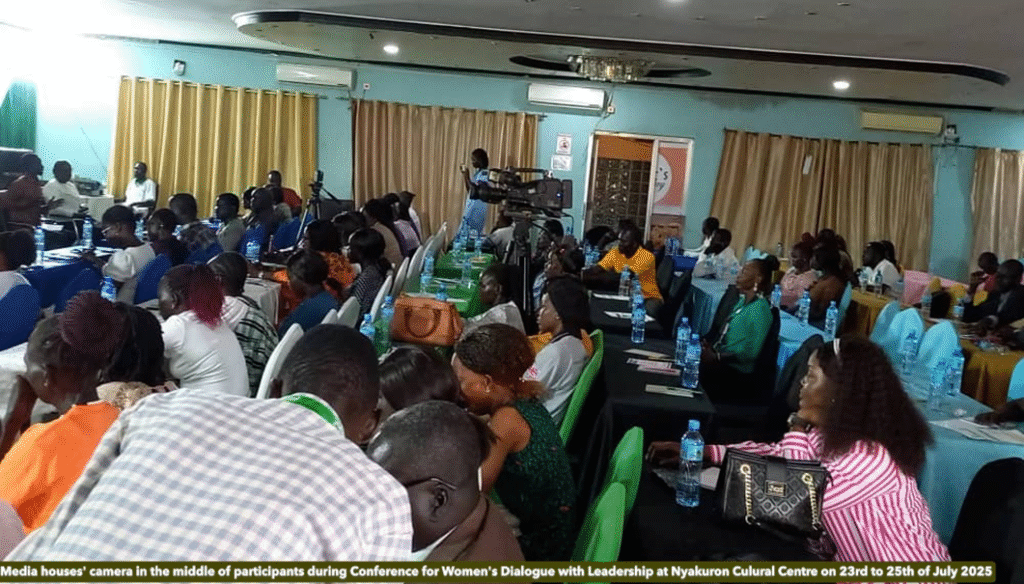
From July 23rd to 25th, 2025, the Nyakuron Cultural Centre in Juba became a powerful stage for women’s voices, resilience, and leadership. The Recovery and Access to Commonly Best Optimism – South Sudan (RACBO-SS) in collaboration with the United Nations Development Programme (UNDP)’s Peace and Community Cohesion Project (PACC), and with support from the United Nations Peacebuilding Fund (UNPBF), convened the Women’s Dialogue with Political Leadership.
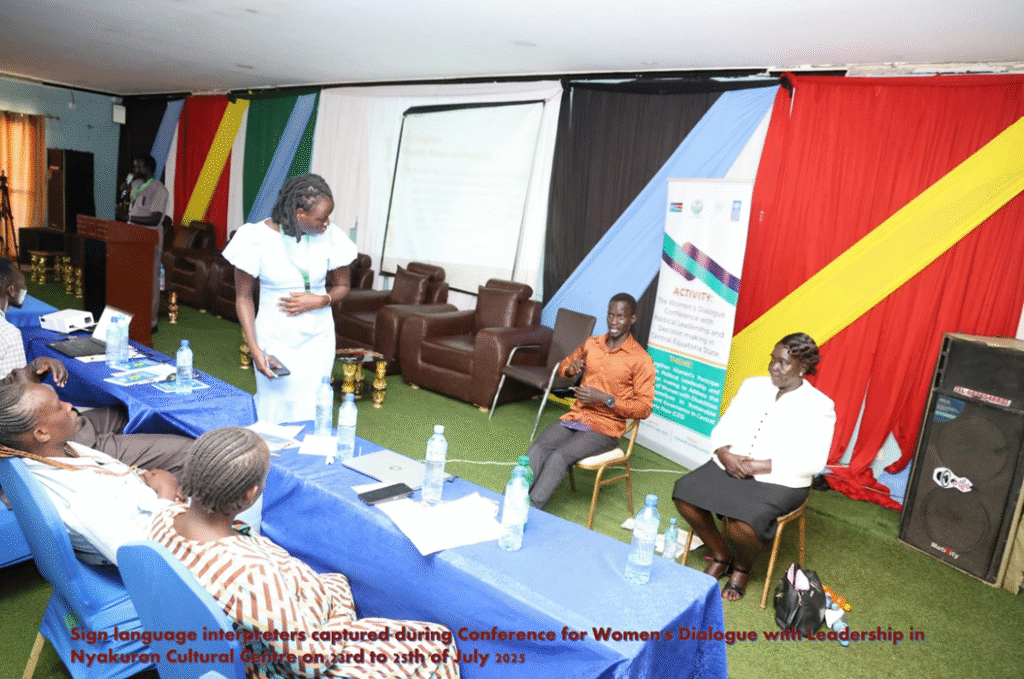
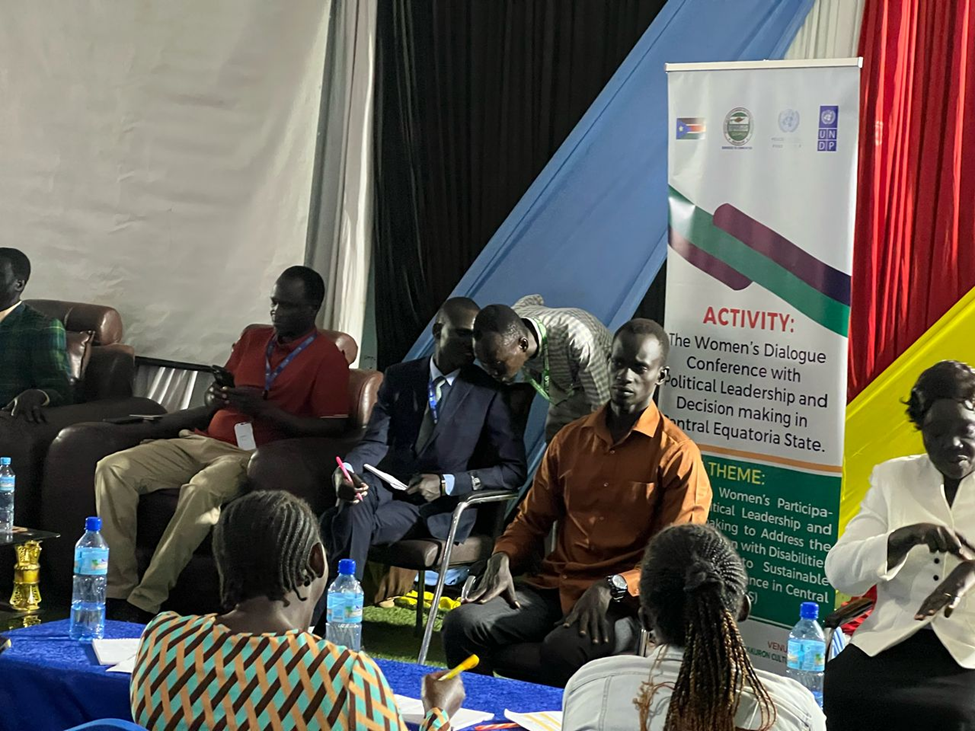
Under the theme “Strengthen Women’s Participation in Political Leadership and Decision Making to Address the Needs of Women with Disabilities and Contribute to Sustainable Peace and Governance in Juba County”, the gathering brought together 150 participants from across Central Equatoria. These included women leaders, members of the State Revitalized Transitional Legislative Assembly (SRTLA), representatives of political parties, local government officials, and 50 participants from the Network of Persons with Disabilities.
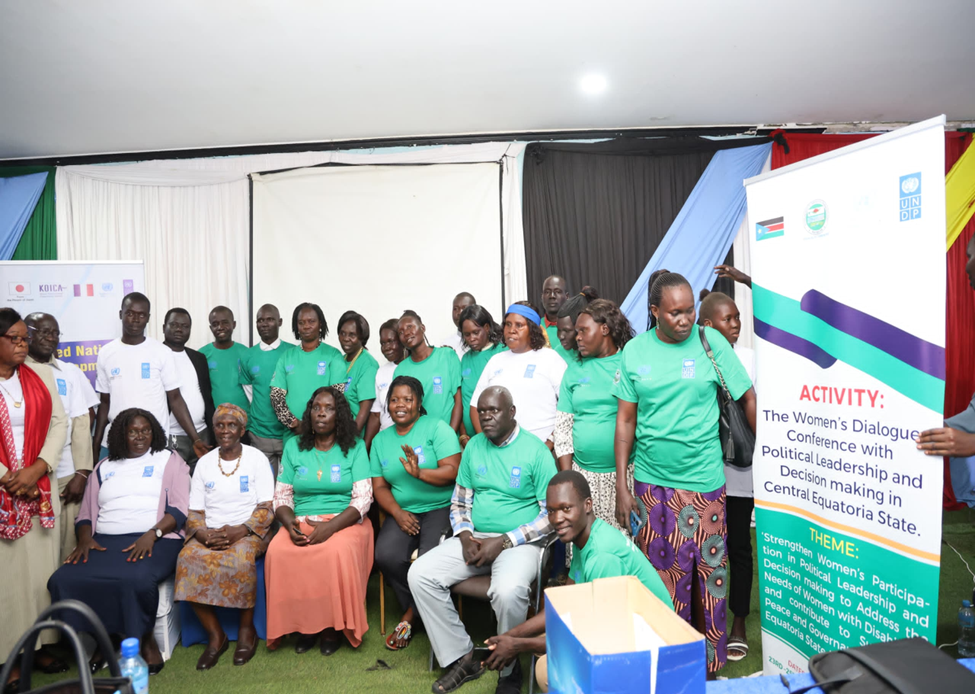
The conference reflected RACBO’s vision of inclusive development, its mission to build self-reliant communities, and its core values of gender equity, accountability, and solidarity.
Inclusion in Action
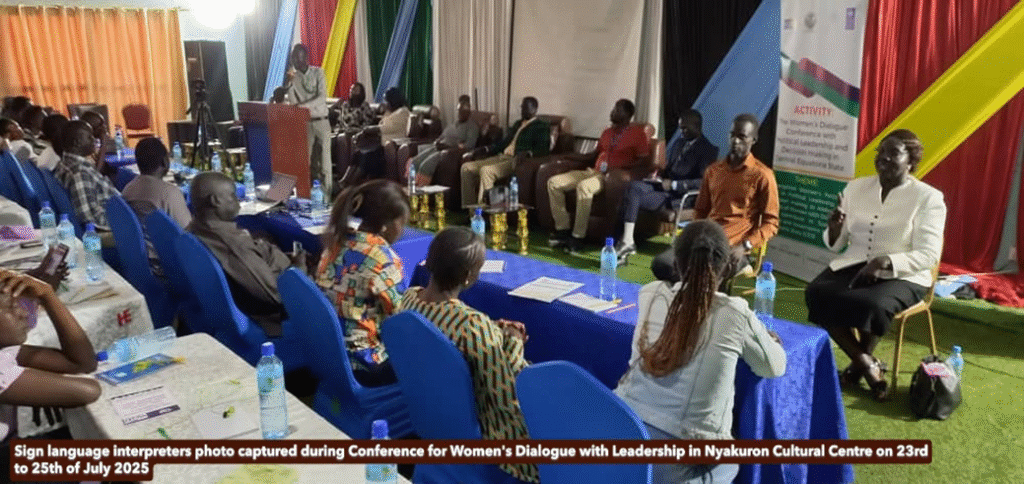
The presence of women with disabilities was particularly significant. Interpreters ensured full participation for the hearing impaired, while visually impaired leaders contributed actively to debates. As Mr. Ben Lou, a teacher who is visually impaired, noted, “This is the first time I’ve seen our issues discussed directly with political leaders. It gives us hope that our concerns will finally be heard in the Assembly.”
For too long, persons with disabilities have been marginalized in political discourse. The Dialogue marked a turning point—demonstrating that disability does not mean inability, and that inclusive platforms can unlock knowledge, dignity, and opportunity.
Beyond Dialogue: Resolutions for Change
The three-day conference was not only a forum for discussions but also a springboard for concrete action. Participants outlined priorities that aligned with RACBO’s commitment to peacebuilding, justice, and equality (SDG 16 and SDG 17):
- Formation of a Resolutions and Bills Drafting Committee with legislators, councilors, and representatives of persons with disabilities to table gender- and inclusion-focused laws.
- Increased women’s political inclusion and leadership during South Sudan’s transitional period.
- Advocacy for legislators to enact policies that empower women in governance, peacebuilding, and socio-economic participation.
- Calls for legal and policy reforms that institutionalize women’s participation across government structures.
These outcomes resonate with RACBO’s strategic goals of advancing child and women’s rights (SDG 4 & 5), promoting inclusion for marginalized groups (SDG 10), and building resilient communities through participatory governance.
Voices of Determination
One visually impaired woman highlighted the repeated use of numbers 5 and 10 in the draft resolutions, urging they be merged—her sharp observation left over 100 sighted participants in awe. This moment symbolized the power of diverse perspectives and the importance of creating space for every voice.
Hon. Elizabeth, Speaker of the Central Equatoria State Revitalized Transitional Legislative Assembly, captured the spirit of the event when she urged: “Women and Women with Disabilities must unite their ranks collectively to fight and support each other—not only to achieve full political representation in leadership and decision-making, but also to gain a larger share in both public and private sectors to achieve economic stability.”
Toward an Inclusive Future
The Women’s Dialogue was more than an event—it was a movement of courage, confidence, and change. By bringing together women, men, and persons with disabilities, it embodied RACBO’s belief in partnerships, empowerment, and community-driven solutions.
As South Sudan journeys through its transitional period, inclusion is not an option—it is a necessity. RACBO will continue to stand with women, communities, and marginalized groups to ensure that political leadership reflects the true resilience of the nation.
Every dialogue, every resolution, every act of courage brings South Sudan closer to a future where women rise—not as tokens, but as leaders shaping peace, governance, and prosperity for all.


Leave a Reply